Latest Technology Trends in 2026: From Agentic AI to Physical Intelligence – What’s Shaping Our Future
In 2026, artificial intelligence has moved far beyond chatbots and image generators. It’s becoming autonomous and embodied — planning complex tasks on its own and stepping into the physical world through robots and smart machines.
Two major trends are leading the charge: Agentic AI (AI systems that act independently toward goals) and Physical Intelligence (AI that senses, reasons, and acts in real-world environments). According to Gartner’s Top 10 Strategic Technology Trends for 2026, Multiagent Systems and Physical AI are key priorities. Deloitte’s Tech Trends 2026 also emphasizes the “agentic reality check” and “AI goes physical.”

Single vs Multi-Agent Systems Architecture
Agentic AI: The Rise of the Silicon Workforce
Agentic AI refers to systems that don’t just answer questions — they plan, use tools, adapt, and complete multi-step tasks with little human oversight. Think of them as autonomous digital teammates.
- Gartner highlights Multiagent Systems as a top trend: collections of specialized AI agents that collaborate on complex workflows.
- Deloitte reports: 38% of organizations are piloting agentic AI, but only 11% have them in full production. Over 40% of projects risk cancellation by 2027 due to poor process redesign.

Agentic AI Architecture Overview

Agentic AI Multi-Agent Pattern for Business Functions
Physical Intelligence: AI Enters the Real World
Physical Intelligence (also called Physical AI or embodied AI) brings intelligence into robots, drones, and smart equipment. These systems perceive their environment, reason, and act autonomously in unpredictable real-world settings.
- Gartner lists Physical AI as a core 2026 trend for operational gains in manufacturing and logistics.
- Adoption is accelerating, with many companies already deploying AI-powered robots in warehouses and factories.
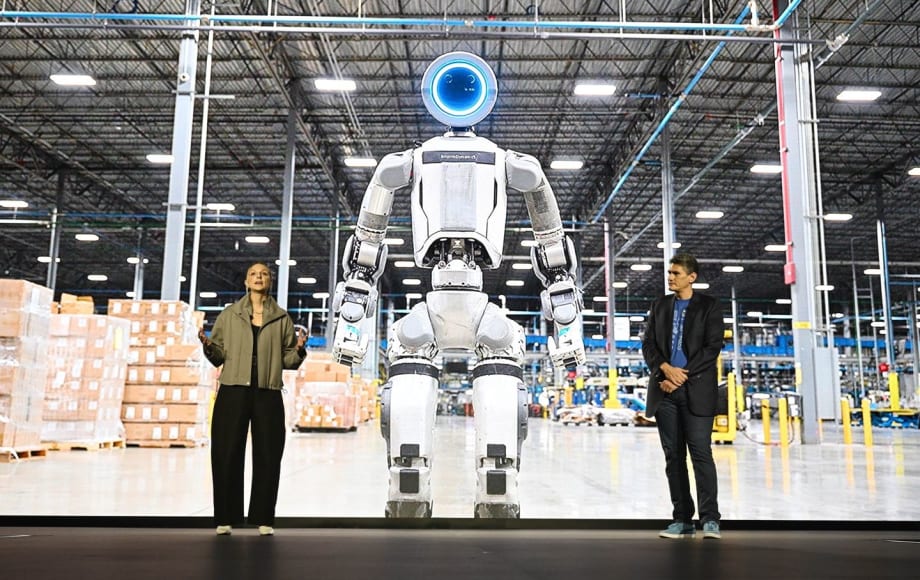
Humanoid Robot in Industrial Environment
A major breakthrough came in April 2026 when robotics startup Physical Intelligence (π) released its π0.7 model — a generalist “robot brain” capable of compositional generalization, allowing it to handle new tasks by combining learned skills.

Physical Intelligence (π) Robot in Real-World Kitchen Environment
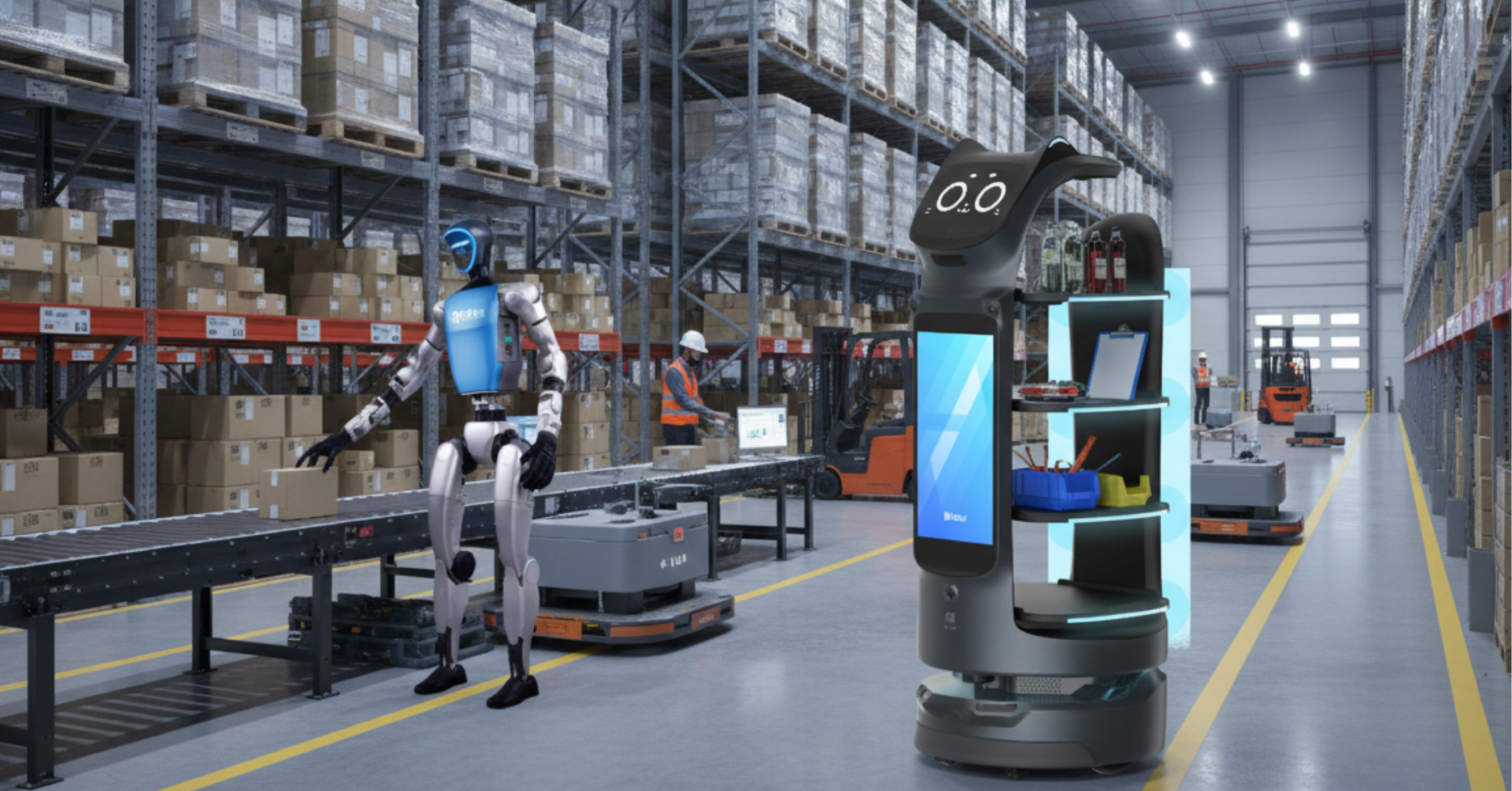
Humanoid Robots Deployed in Warehouse Operations
The Convergence: Agentic AI Meets Physical Intelligence
The real magic happens when these two trends combine. Agentic AI provides high-level planning and decision-making, while Physical Intelligence grounds it in the real world. The result is adaptive, intelligent robots that act as true collaborators with humans.

Vision of Embodied Physical Intelligence
Challenges to Watch in 2026
- Governance and oversight for autonomous systems
- Cybersecurity risks as AI becomes physical
- Need for complete process redesign (not just automation)
- Workforce transition to hybrid human-AI teams
Conclusion: A New Era of Hybrid Intelligence
2026 marks the beginning of AI that doesn’t just think — it plans and acts in both digital and physical worlds. Organizations that embrace this convergence with proper governance and process redesign will lead the next wave of innovation.
What do you think? Will Agentic AI or Physical Intelligence impact your industry first? Share your thoughts in the comments below!
Comments
Post a Comment